How to Prepare Your Facility for a Commercial Painting Project
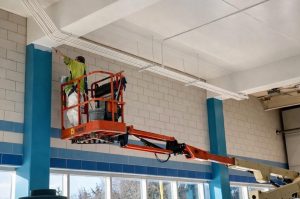
Practical steps facility managers can take to minimize disruption, protect assets, and ensure quality outcomes.
Painting in a commercial or industrial facility is more than color. When done right, it preserves assets, supports safety and compliance, and extends the service life of critical surfaces. When done without planning, it can cause costly downtime, create regulatory headaches, or lead to premature coating failure.
This guide focuses on the right preparation steps to make a painting project predictable and low impact on busy facilities.
Start with a collaborative kickoff and site assessment
A productive painting project begins long before brushes or spray guns are out. Arrange a kickoff meeting with key stakeholders; operations, maintenance, safety, procurement, and the contractor and walk the site together. Use that walkthrough to:
- Identify critical production areas and high-sensitivity equipment
- Flag access constraints, traffic flows, and emergency routes
- Note surfaces needing special attention (chemical exposure, heat, or abrasion)
- Agree on optimal work windows (shifts, plant shutdowns, low-production periods)
A joint assessment reduces surprises during execution and makes scheduling realistic for everyone involved.
Protect equipment, products, and critical systems
Proper protection saves both time and money. Before painting begins, plan and budget for:
- Temporary covers and shrink wrap for motors, control panels, conveyors, and sensors
- Isolation of electrical equipment when required (lockout/tagout coordination)
- Moving or shielding inventory, samples, or finished goods in nearby areas
Nail down surface-prep expectations
Surface preparation has a major influence on how well a coating performs. This typically involves removing dirt, grease, rust, or loose material that may interfere with adhesion. Addressing these conditions before painting helps prevent peeling, blistering, or uneven finishes later.
Clear communication about what is currently on the surface helps the contractor plan and also prevents delays once work starts.
Plan controls for air quality, ventilation, and worker protection
Painting operations can create vapors, particulates, and confined-space risks. If this is a factor in your space, please plan application methods and controls to protect workers and occupants
Sequence work to minimize production impact
Good sequencing reduces disruptions:
- Tackle high-priority, high-traffic areas during planned slowdowns or off shifts
- Group adjacent zones to reduce repeated mobilization and containment work
- Stagger crews to avoid overcrowding and to keep emergency routes clear
Well-planned sequencing lowers cost and shortens project duration.
Define communication expectations
Clear communication supports smoother execution. Before work begins:
- Identify primary points of contact
- Establish how updates will be shared
- Discuss what information will be needed to best execute project
Aligning on these expectations early helps prevent misunderstandings later.
How the right planning approach makes projects easier
Thorough preparation before a painting project begins is one of the most effective ways to reduce downtime, control costs, and protect facility assets.
With a collaborative kickoff, clear internal alignment, defined protection measures, and thoughtful scheduling, projects are more likely to run smoothly and with fewer surprises.
If you’re preparing for an upcoming project, an early walkthrough and planning discussion can help identify site-specific considerations and support a more efficient process.