How Long Will Your Paint Job Last? Understanding Coating Lifespans
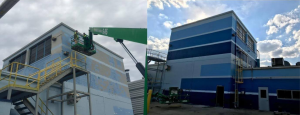
A commercial paint or coating system is more than a cosmetic upgrade; it’s a protective investment. But how long that investment lasts depends on far more than the product label. Facility managers and property owners often ask: “How long should this paint job hold up?”
The honest answer is, it depends on the conditions your surfaces face and how they’re maintained.
Understanding the factors that extend or shorten a coating’s lifespan helps you plan budgets, prevent premature failure, and protect your facility year-round.
1. Environment & Exposure: The #1 Lifespan Determiner
Sunlight & UV Exposure
Intense UV breaks down coating binders over time, causing:
- Fading
- Chalkiness
- Loss of gloss
- Surface brittleness
South and west facing walls typically fail first.
Moisture & Humidity
High-moisture environments like loading docks, kitchens, production floors, or buildings in freeze–thaw climates—can accelerate:
- Peeling
- Blistering
- Mold and mildew growth
Temperature Swings
Extreme hot-cold cycles cause the substrate to expand and contract, stressing paint films and shortening their lifespan.
2. Surface Preparation Quality
Preparation determines whether a coating lasts 2 years or 12 years. Poor prep leads to the most common failure points:
- Coatings applied to dusty or oily surfaces
- Insufficient cleaning or degreasing
- Rust not properly removed or treated
- Moisture trapped under the coating
- Old coating layers not properly sanded or stabilized
High-quality prep work like abrasive blasting, power washing, patching, priming, can add years to a coating’s life.
3. Substrate Type
Different surfaces age at different speeds:
- Steel: Prone to corrosion; requires proper priming and protective coatings
- Concrete & Masonry: Porous and moisture-absorbing; needs sealers or elastomeric products
- Drywall / Interior Walls: More stable, but vulnerable to impacts, abrasion, and cleaning chemicals
- Wood: Expands/contracts significantly; can cause early cracking or peeling
Matching the coating system to the substrate is essential for durability.
4. Coating Quality & System Selection
Not all coatings are created equal. Longevity depends on:
- Resin type (acrylic, epoxy, urethane, elastomeric, etc.)
- Film thickness
- Number of coats
- Drying and curing conditions
Selecting the right system from the start is critical.
5. Traffic, Wear, and Operational Stress
Even the best coatings degrade faster under heavy use.
High-abuse areas include:
- Hallways and entryways
- Warehouses and loading areas
- Commercial kitchens
- Manufacturing lines
- Parking decks
- Mechanical rooms
Impacts, forklifts, cleaning chemicals, moisture, and abrasion all reduce coating life.
6. Maintenance and Inspection Frequency
Routine maintenance dramatically increases lifespan. Simple steps make a big difference:
- Washing exterior surfaces annually
- Touch-ups on high-wear areas
- Repainting before failure spreads
- Annual inspections to identify early problems
A small intervention can prevent a costly full repaint later.
We Are Your Trusted Professionals - Let Us Help You Get the Most Lifetime Out of Your Coating
A fresh paint job is an investment. Knowing how long it will last starts with a professional evaluation of your surfaces, environment, and operational demands.
Martin Painting & Coating can assess your facility and recommend the right coating system to maximize durability and long-term value.
Contact us today to request an estimate and get expert guidance on extending the lifespan of your coatings.